
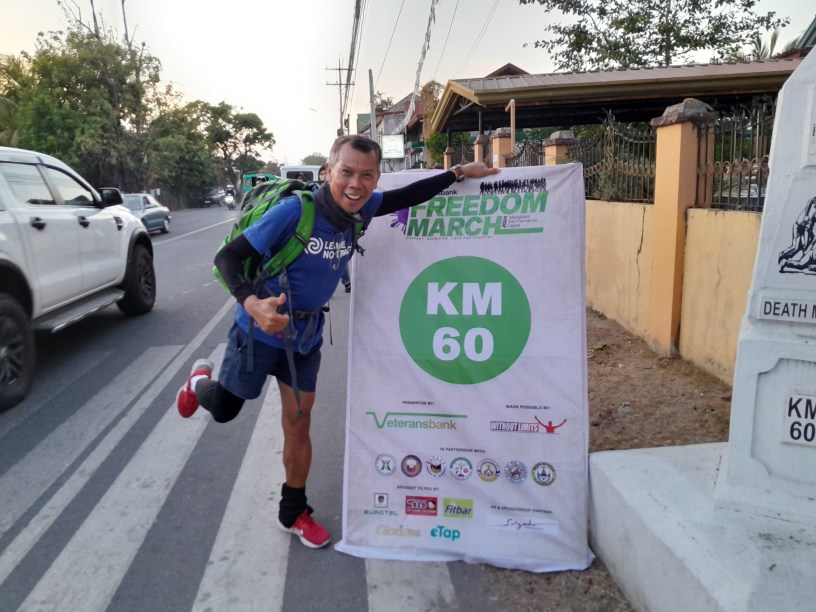
By Lito De Veterbo
In a world where the echoes of history often fade, we must ensure that the sacrifices and struggles of our forefathers are not forgotten. The Freedom March 2024 stood as a beacon of remembrance, retracing the harrowing steps taken by Filipino and American heroes during the infamous Bataan Death March in World War II.
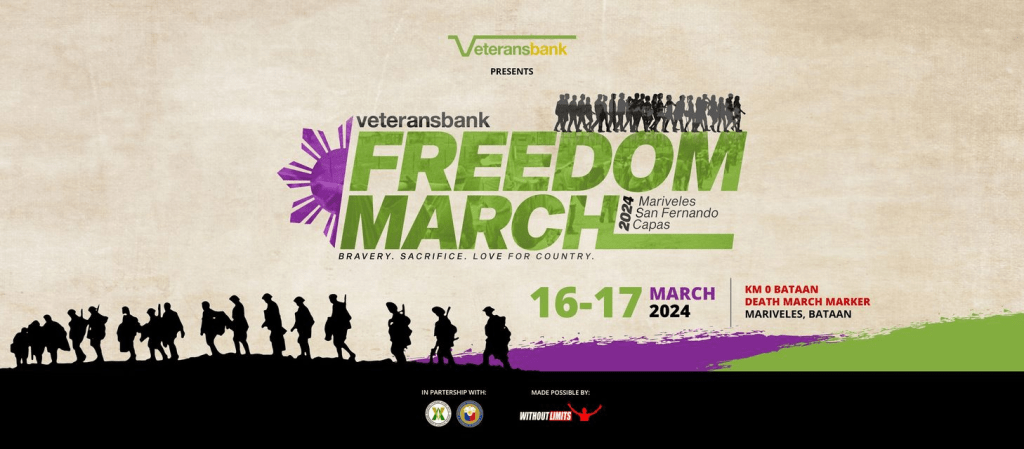
Sponsored by the Philippine Veterans Bank and organized by Without Limits PH, the 160-km journey from KM 0 in Mariveles to KM 160 in Capas, Tarlac, rekindled as it also symbolized resilience, courage, and unity. It proved to be a testament to the unwavering spirit of those who faced unimaginable hardships with unwavering determination.
An aftermath of the fall of Bataan on April 9, 1942, the Bataan Death March saw thousands of Filipinos and Americans die navigating the long road from Bataan to Capas, Tarlac under the heat of the sun, unsanitary conditions and insufficient food provisions.
As Mike Villa-Real, first vice president of Philippine Veteran Bank, aptly stated, “The march is our way of commemorating the struggles and hardship suffered by our countrymen during World War II, especially the Bataan Death March.”
He added, “the march is an opportunity to be in their footsteps, not just with our feet but with our hearts filled with gratitude for their sacrifices.”

The Route
Following a short but meaningful opening ceremony at KM 0 in Mariveles, Bataan, the march commenced at a little past 12:00 midnight on March 16, 2024.
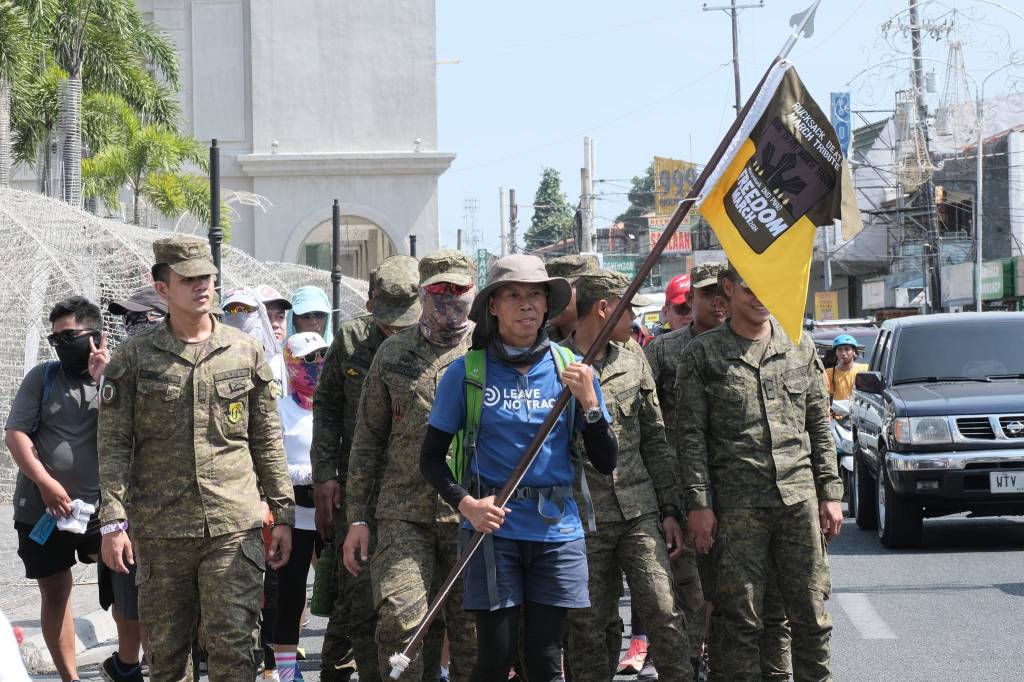
Around 400 participants, equipped with an overflowing sense of readiness and a mindset to brave the two-day walk to Capas, Tarlac, enthusiastically hit the dark road amidst the sound of a marching band and cheers from the midnight crowd.
The early hours of the morning meant navigating dark parts of the road where street lights were absent. But this did not deter the pack in hitting the long road ahead. Rest stops with snacks and water refilling stations were available at every 10 kilometers, manned by the highly friendly Without Limits PH staff members.
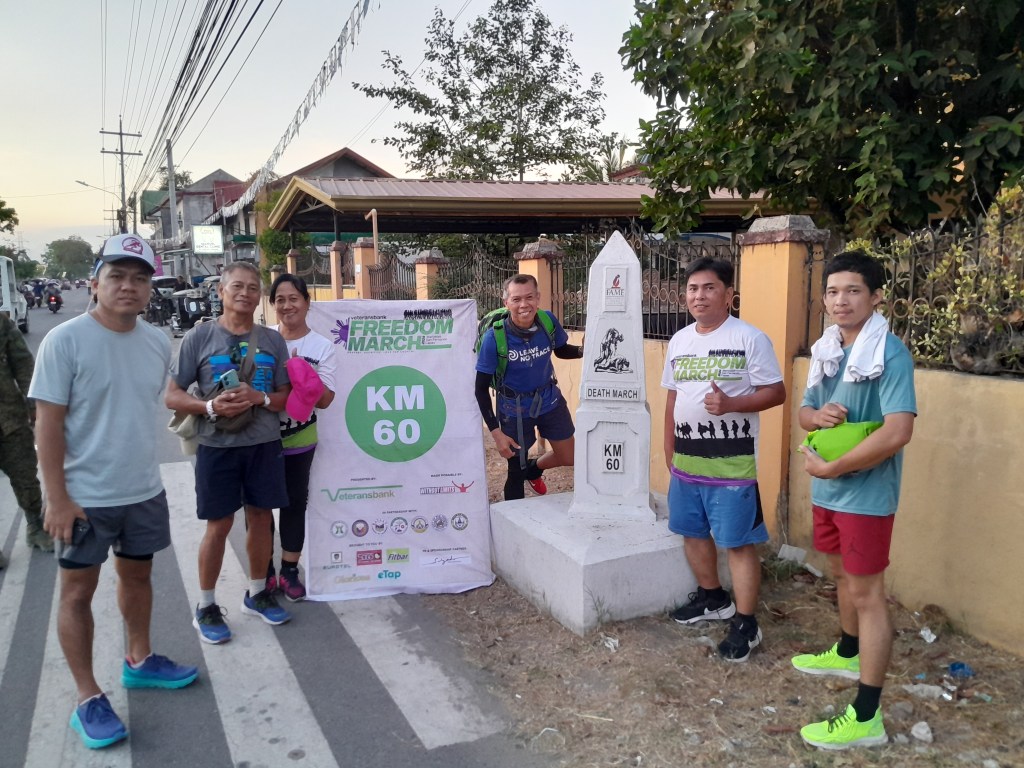
The route had major stops at:
KM 44 – Balanga Plaza, Bataan with a mandatory four-hour stop from 10am to 2pm on Day 1
KM 68 – Dinalupihan, Bataan for an overnight layover on Day 1
KM 102 – San Fernando, Pampanga on Day 2
KM 160 – Capas National Shrine in Tarlac for culminating ceremony on Day 2
Low Environmental Impacts and High Sense of Preparedness
While the march was high in spirit and historical significance, it was low on environmental impacts.
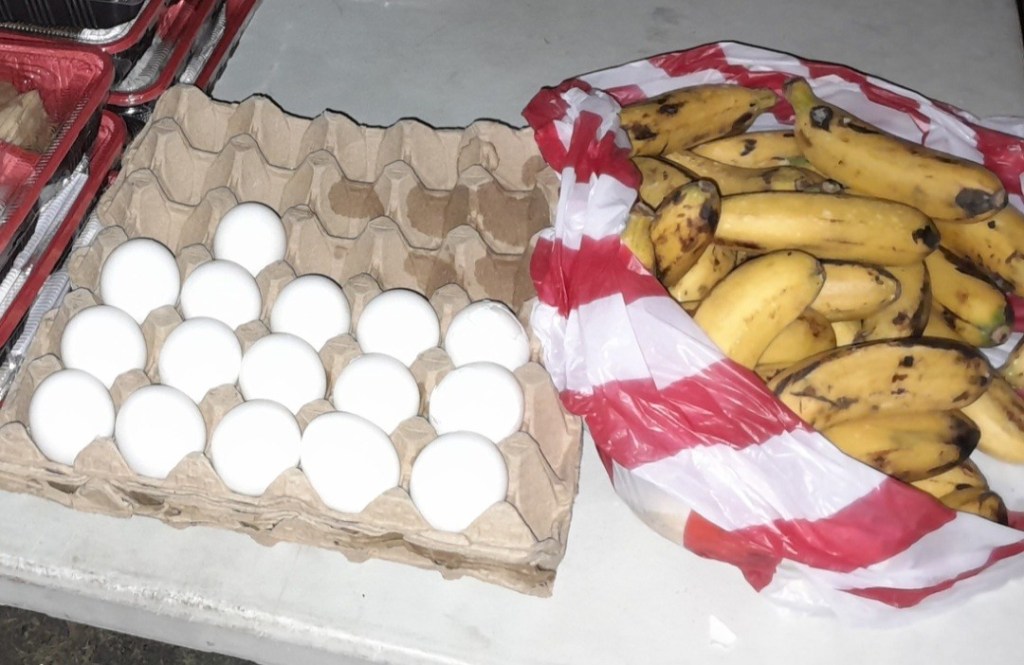
Worthy of commendation was the provision of water in reusable containers with faucet, allowing the participants to refill their own water containers. The boiled eggs and banana (saba) at rest stops were not wrapped in single-use plastics, effectively eliminating the unnecessary trash. Even more remarkable was having a roving hydration vehicle equipped with gripo-style containers where participants fetched water using their own reusable water containers.
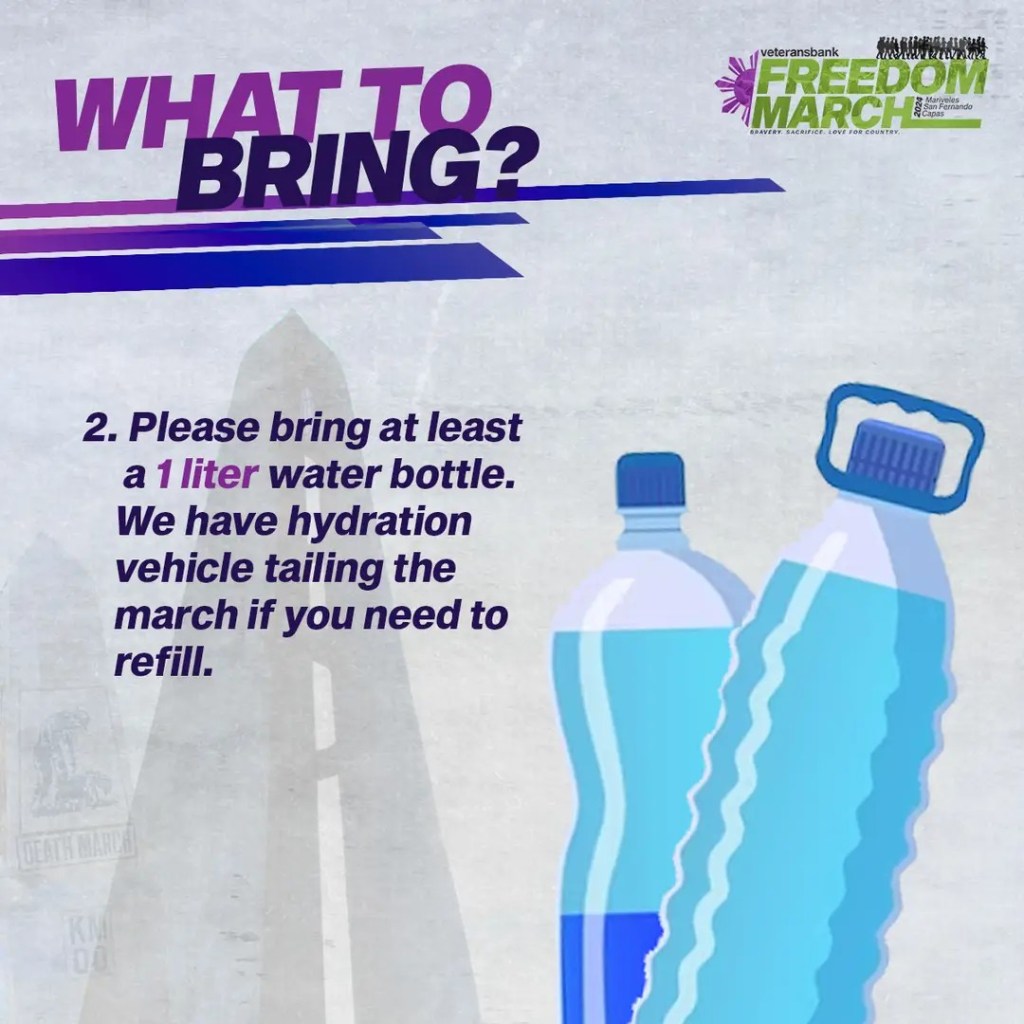
“In providing snacks and water, we truly exert effort to be environment-friendly,” enthused Ian Alacar, president of Without Limits PH.
He emphasized that the objective is to minimize the use of wrappers and single-use plastics. “Yes, the participants would gladly receive the boiled eggs and boiled saba even without the wrappers,” Ian thoughtfully added.
Anticipating the long walk under the sun and in the darkness, the participants came prepared. They braved the heat of the sun in full battle gear – hats on, arm sleeves on and sun block on. Headlamps help them navigate the dark parts of the road. At rest stops and in meeting the roving hydration vehicle, they used their own water container to fetch water provided by the organizers.
The Freedom March 2024, indeed, served as a huge reminder on the historical significance of Bataan Death March, highlighting that freedom is not free but earned through sacrifice and unwavering determination. It provided an opportunity for the participants to honor those who suffered, allowing us to continue striving for a world where peace and freedom reign supreme.
But this remembrance was executed with environmental consciousness, a passion for a better surrounding punctuated by less pollution, less trash. The long-distance Freedom March 2024 paid tribute to the World War II heroes, but the event organization and participants’ demeanor ensured that the impacts to the environment was less significant.
Recommendations for the 2025 edition
For the event owner and organizing team
- Continue providing gripo-style hydration system where walkers can fetch water using their reusable water containers – at rest stops and roving hydration
- Continue serving the boiled eggs and banana without any packaging
- Discontinue distribution of bottled water and disposable cups
- In the pubmat, include a call to encourage participants to:
- BYO – Bring your own reusable water bottle and food container
- BYOTH – Bring your own trash home to avoid leaving own trash in LGUs along the route. However, trash sourced and generated locally may be disposed of locally in local trash bins, like the snacks provided by the event organizer and LGUs.
- Review if the distribution of packed lunch/meal is truly necessary (because participants normally come ready and can tend for themselves)
- Explore the possibility of giving out freebies as a souvenir to the participants, instead of packed lunch/meals, especially those commencing at KM 0. They can be in the form of:
- Reusable collapsible cup
- Sun visor with event logo
- Hat
- Arm sleeves
- Explore alternatives for kilometer signages to avoid using disposable, single-use tarpaulin
- Onsite registry and recognition of walkers from KM 0 who finish at:
- KM 44 (Balanga mandatory stop)
- KM 68 (Overnight at Dinalupihan)
- KM 102 (San Fernando)
- KM 160 (Capas)
For the LGUs along the way
- Eliminate the use of single-use plastic in food preparation. Snacks, such as boiled eggs, kamote and banana, need not be wrapped in single-use plastics.
- Discontinue distribution of bottled water. Instead, provide water in gripo-style hydration system where walkers can fetch water using their own reusable water containers.
- Review if distribution of packed lunch/meals is truly necessary (because participants normally come ready and can tend for themselves)
 Long-distance walking across the Philippines